
Choosing the right ingredients and products for your skin
could take lots of trial and error, especially if you are using chemicals-based
skin products. So it’s important to identify the signs that a product is not a
good fit for your skin before it causes damage. Here’s what you to watch for when
testing a new product—and signs you should take it out of your routine.

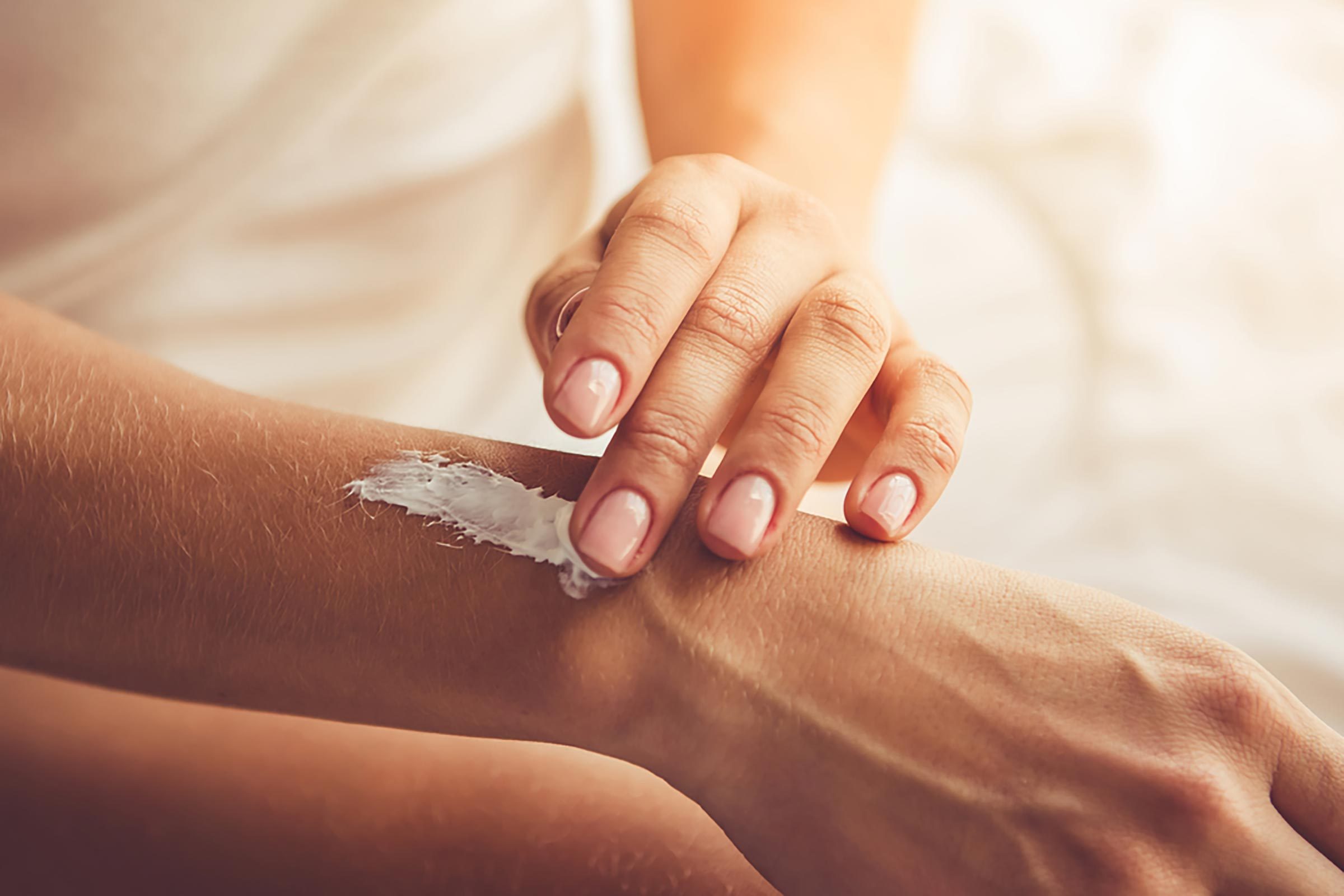
Intense burning on using a product for the first time
Whether it’s a cleanser, lotion, or mask—no skin care
product should cause burning or stinging. This is often a sign that you’re
allergic to it. This reaction is your skin’s defense mechanism to shield itself
from the offending ingredient, whether it’s a fragrance, preservatives, or
other additives. If your skin feels like it’s on fire, do not suffer in the
name of beauty—wash it off! You’re
either allergic to something in the product or your skin is simply too sensitive
for whatever it contains.”
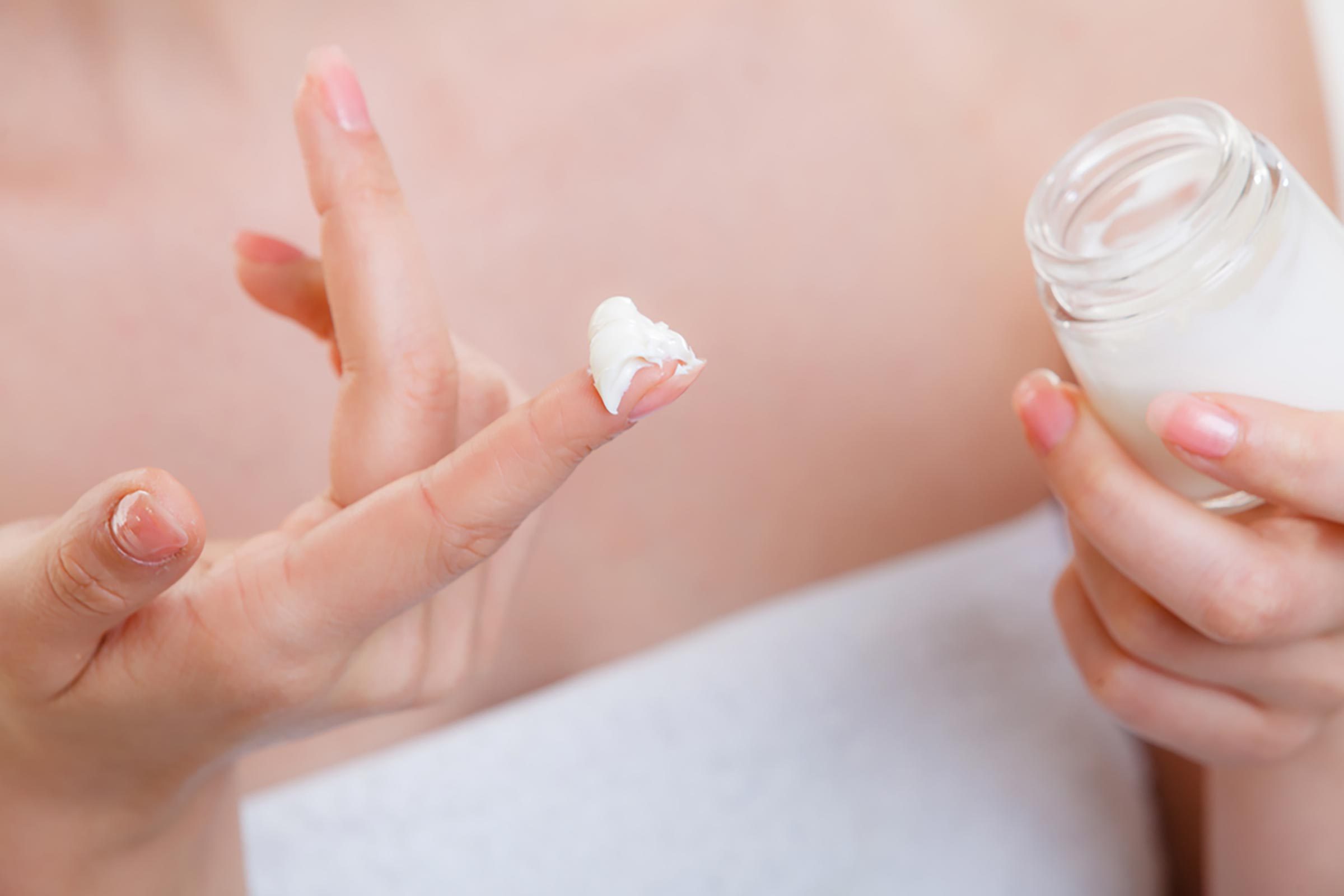
Slight burning or stinging when using a product you’ve used before
This scenario is different than if you were using a new product for the first time. Your skin has already shown that it can handle whatever ingredients the product contains. Slight stinging and burning are common side effects (especially those that have an alcohol or ‘drying’ base) in patients with pre-existing skin sensitivity, such as eczema or rosacea. Another possibility is that you’re simply using too much of the product or using it too frequently.

Generally, a pea-sized amount of product is enough to cover the entire facial surface for any given product. Do not use more than this, and don’t use it more frequently than recommended; more is not more when it comes to skin care.
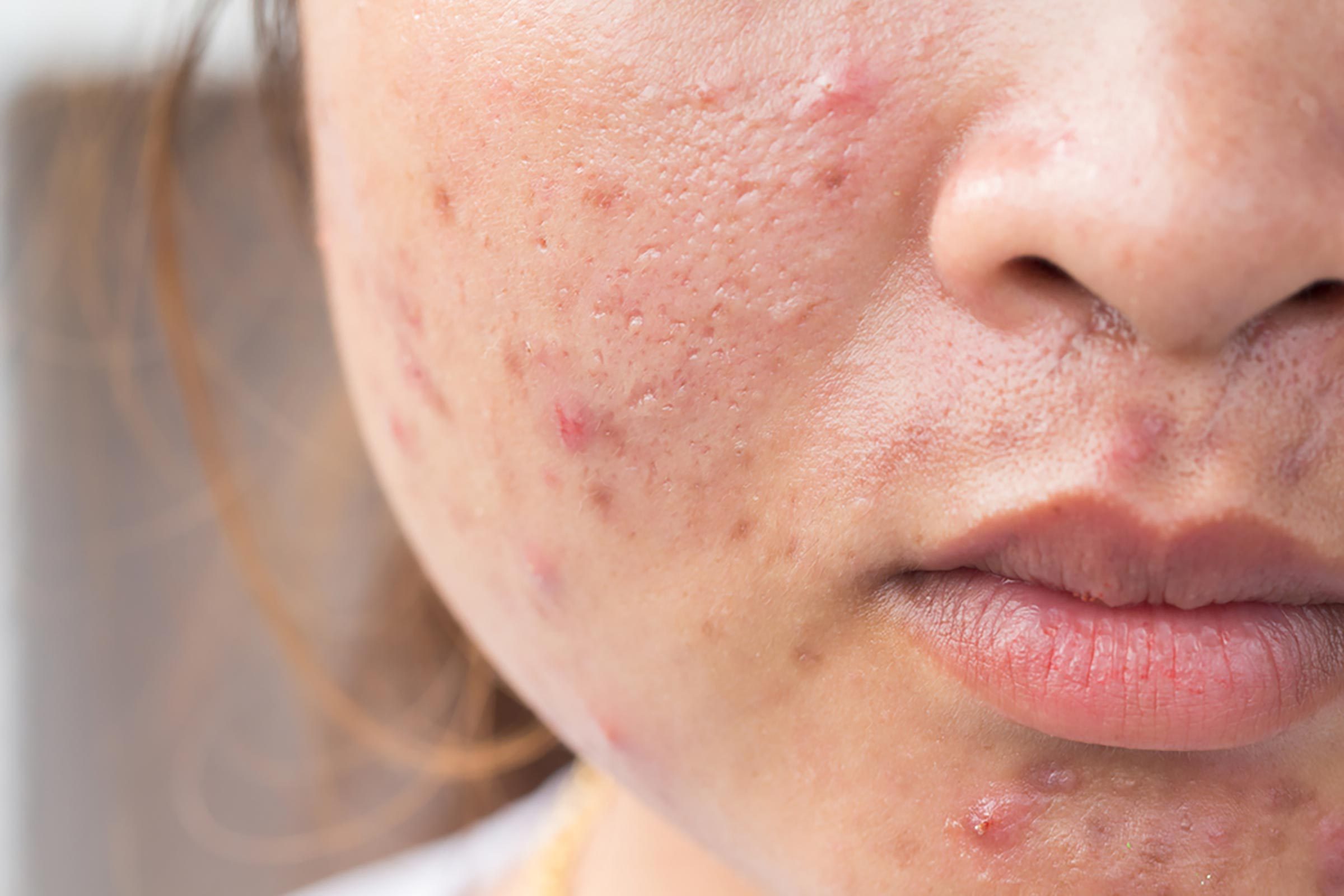
Excessive dryness, flaking, and peeling
If you’ve got this going on, particularly around your nose
and at the corners of your mouth, you might be simply overusing an acne
product. Topical retinoids are used to help lightly exfoliate skin, regulate
skin cell maturation, and cause mild irritation in the skin, which encourages
new collagen growth. They’re meant to slowly diminish the appearance of fine
lines, even skin pigmentation, and thicken skin for a younger look. However, if
they’re causing too much irritation, to the point that you’re constantly
peeling and your skin is red and sensitive, this might not be the best
anti-aging treatment for you.
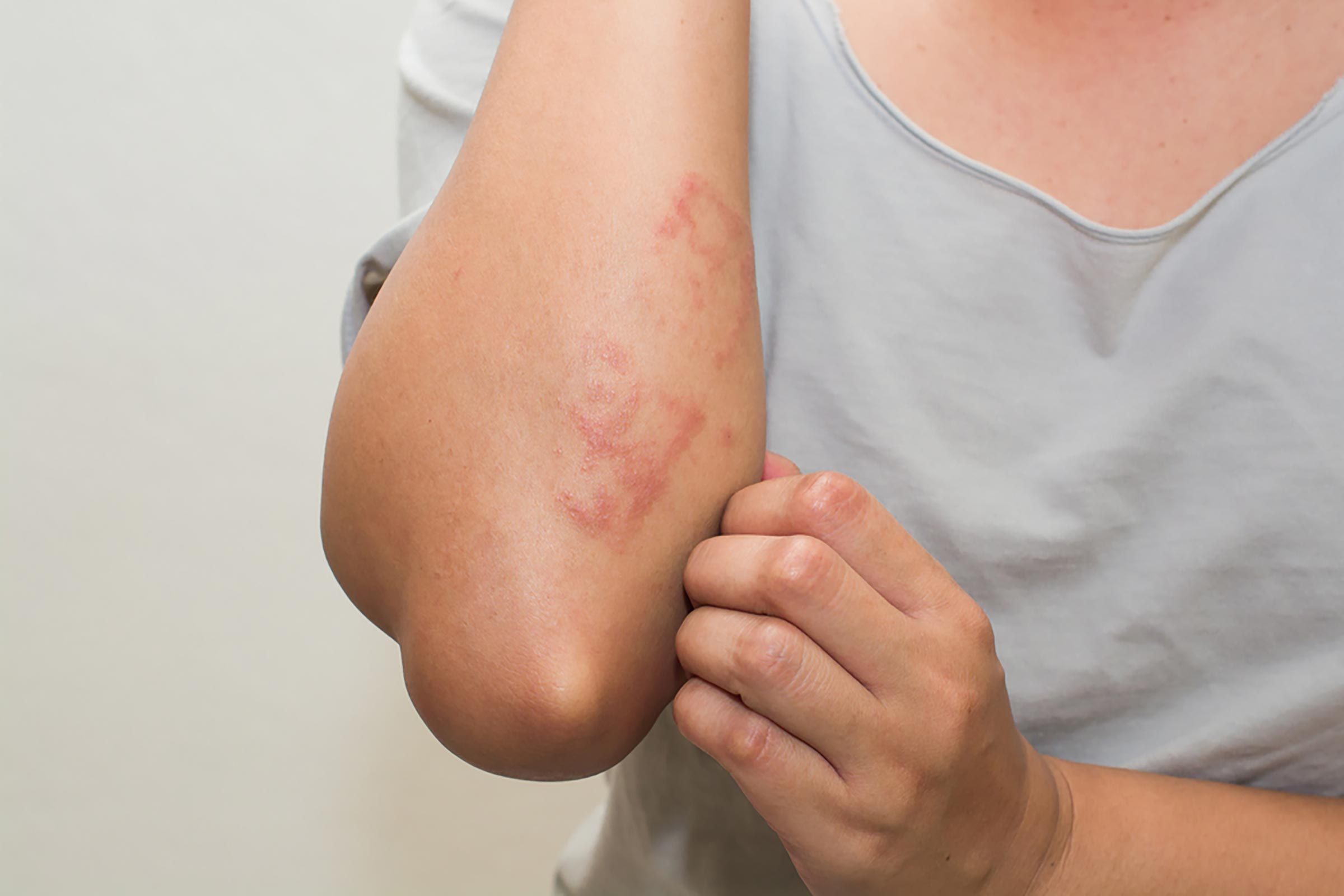
Rashes or blisters start to form where you applied it
It’s tempting to sample a product with the most eye-catching packaging or one that you read about in online, but just because it works for one person doesn’t mean it’s a universal wonder. In addition to the magic active ingredient that a product is touting, it can contain many potentially irritating or allergenic inactive ingredients that contribute to its silky feel, fancy fragrance, or prolonged shelf life. If you do develop a rash after a couple of applications, it’s most likely due to one of the preservatives, fragrances, or chemical contents. Consider dropping the product.
Sudden pigmentation changes
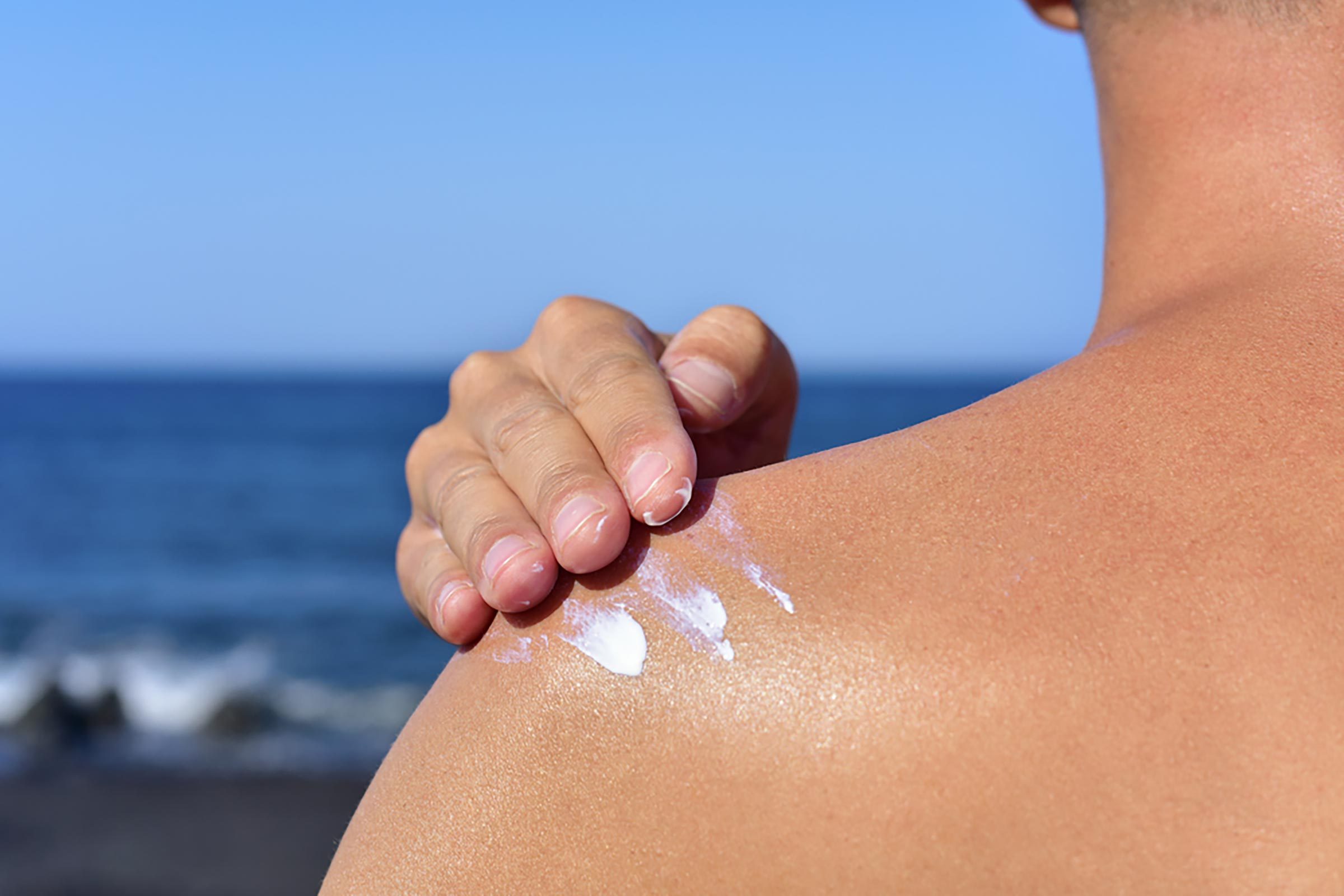
If you notice freckles, brown spots, or sunburn on your skin, you’re most likely not using a strong enough sunscreen. But if you notice pigmentation changes, particularly on your cheekbones, after applying a new product for a few days to a week, this can be a rare allergic reaction to certain ingredients that cause actual lightening of brown spots.

Dermatologists
call this a paradoxical hyperpigmentation and it’s usually related to
botanicals that lighten the skin, such as kojic acid, arbutin, and hydroquinone.
Discontinue all skin care containing these products and simply wait for the skin
to balance itself out. Using another skin lightener or bleaching cream at this
time can make the condition worse.
Skin is red and irritated after using an acne treatment
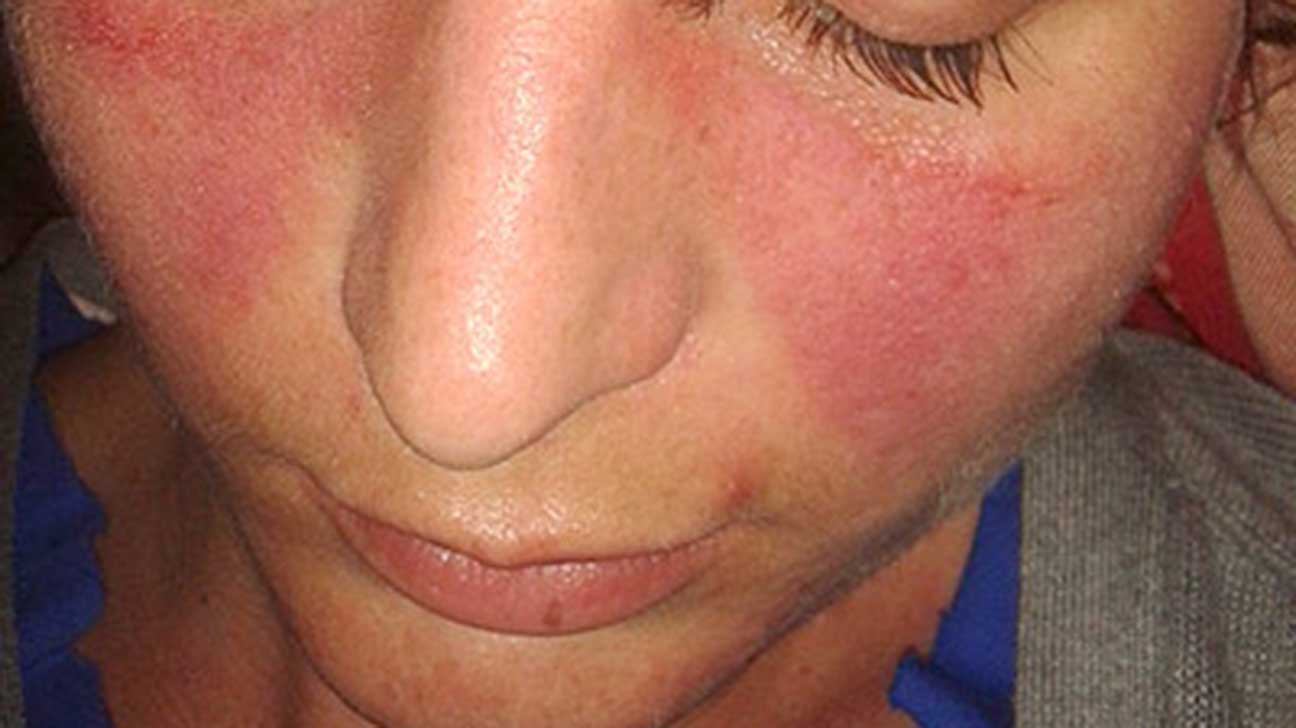
Some harsh topical treatments for pimples can actually
irritate and dry out the top layers of the skin in adults, which will make your
skin more red and sensitive and can actually aggravate your acne. First thing’s
first: Make sure the products you’re using are non-comedogenic and do not
contain mineral oil, cocoa butter, or other pore-clogging ingredients. You may
need herbal medications that are strong, but less harsh on your skin, Revitol
is highly recommended.
Your skin is more oily than usual after using a new product
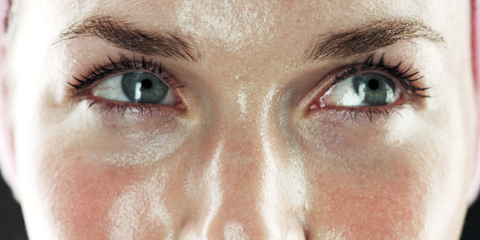
If you find your skin is suddenly slicker than normal, it could be a sign that you’re stripping it of its natural oils. Your skin naturally acts as a barrier to keep out dirt and other free radicals in the environment. It does this by arming itself with a healthy balance of oils that keep moisture in. Over-washing or using a product that strips your skin of this natural oil is bad for maintaining that barrier. If you’re using harsh products or not enough moisturizer, your skin will overcompensate for it and produce even more oil.


Itching all over your body
If this happens, it’s possible that you’re having an
allergic reaction to your skin product, or possibly to something you inhaled or
ingested. Consider discontinuing all skin care and then adding one product back
at a time for a week each to see if the generalized itching restarts or
persists. It takes at least two to three
weeks for an allergy to “wash out” of your system, so allow that much time
before reintroducing your regimen one product at a time.